

For two decades, Fally Ipupa has remained one of the most influential African artists of his generation. From the streets of Kinshasa to the grand stage of the Stade de France, his journey reflects discipline, innovation, ambition and an unmatched ability to reinvent Congolese music for a global audience. In 2026, as he celebrates 20 years of a successful solo career, Fally Ipupa stands not only as a superstar of Congolese rumba, but as a cultural ambassador whose impact reaches far beyond music.
His recent historic double concert at Stade de France confirmed what millions of fans across Africa and the diaspora already knew: Fally Ipupa belongs among the great icons of African music. Both concerts sold out, making him the first African artist to fill the legendary French stadium on two consecutive nights. The performances attracted tens of thousands of spectators from across Europe, Africa and North America, especially young members of the African diaspora who see in him the modern face of African excellence.
Fally Ipupa’s success did not arrive overnight. Before launching his solo career in 2006 with the acclaimed album Droit Chemin, he had already built a strong reputation within the legendary Congolese group Quartier Latin International led by Koffi Olomidé. Under Koffi’s mentorship, he learned discipline, stage performance, vocal arrangement and musical leadership. He eventually became musical director of the group, a sign of the confidence placed in his talent.
Yet Fally’s inspirations go even further back. Growing up in Kinshasa, he was deeply influenced by the legendary band Wenge Musica, whose revolutionary sound transformed Congolese music in the 1980s and 1990s. Like many young artists of his generation, he admired the energy, elegance and creativity of Wenge Musica while also studying the charisma and vocal sophistication of Koffi Olomidé. Those influences helped shape the artist who would later modernize rumba for a new generation.
What distinguishes Fally Ipupa from many other artists is his remarkable ability to evolve while remaining connected to his roots. Over the years, he has successfully blended Congolese rumba with R&B, afrobeat, hip-hop and urban pop. He calls this musical identity “Tokooos music,” a fusion that allows him to preserve the soul of Congolese rhythms while appealing to international listeners.
His albums have consistently demonstrated artistic ambition and commercial success. From Droit Chemin to Arsenal de Belles Mélodies, Tokooos, Tokooos II, Formule 7 and now XX, Fally has shown an impressive ability to produce hits while adapting to changing musical trends. His latest double album XX, released in celebration of his 20-year solo career, reached the top of the French SNEP album charts, another historic achievement for an African artist.
One of the strongest aspects of Fally Ipupa’s strategy has been his intelligent use of international collaborations. Some critics accuse him of relying too much on featuring foreign artists, but this approach has actually helped expand the global reach of Congolese music. Rather than isolating himself within a local market, Fally understood early that African music was becoming global and that collaboration was essential for growth.
Throughout his career, he has worked with artists from Africa, Europe, the Caribbean and the United States. His collaborations with stars such as Wizkid, Angélique Kidjo, Diamond Platnumz, Aya Nakamura, Booba and many French urban artists opened new audiences to Congolese rumba and Lingala music. These featurings are not signs of weakness; they are evidence of vision and adaptability. Fally understands that music today crosses borders instantly through streaming platforms and social media.
Importantly, he never abandoned his Congolese identity while pursuing international success. Even in collaborations with global artists, he continues to sing in Lingala and maintain the melodic structures of rumba. This balance between tradition and modernity explains why he attracts both older rumba fans and younger listeners raised on afrobeat and hip-hop.
The youth, especially within the African diaspora, identify strongly with Fally Ipupa because he represents ambition, elegance and self-confidence. His concerts are not simply musical events; they are celebrations of African pride and identity. Young Africans in Paris, Brussels, London, Montreal and Johannesburg see in him an artist who has managed to compete on the world stage without losing his cultural authenticity.
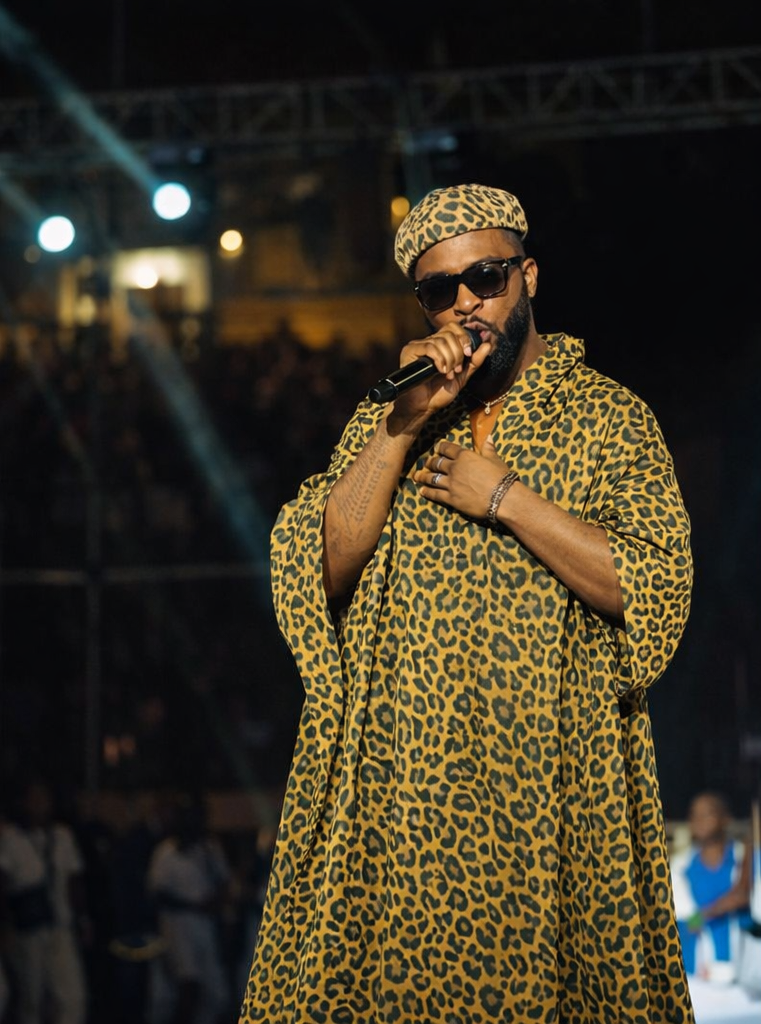
His fashion style, choreography and stage production also contribute to his appeal. Fally Ipupa has carefully built an image of sophistication and professionalism. Whether performing in Kinshasa or Paris, he brings world-class production standards. His double concerts at the Stade de France included elaborate visual effects, choreography and appearances from several international guests, creating a spectacle comparable to the biggest global pop performances.
Beyond entertainment, Fally Ipupa’s success carries symbolic importance for the Democratic Republic of the Congo. At a time when the country often appears in international headlines because of conflict and instability, artists like Fally project another image of Congo: one of creativity, talent and cultural richness. His achievements have become a source of national pride.
This explains why Félix Tshisekedi recently announced his intention to officially decorate Fally Ipupa following the triumph of the Stade de France concerts. The Congolese president praised the artist for promoting Congolese culture internationally and contributing to the country’s image abroad.
Such recognition is significant because it acknowledges that music and culture are powerful diplomatic tools. Through his art, Fally Ipupa has achieved what politics often struggles to accomplish: uniting people across borders, languages and generations.
Another remarkable quality of Fally Ipupa is his constant desire to improve. Even after twenty years at the top, he continues to experiment musically, collaborate with younger artists and challenge himself with bigger projects. Many established artists eventually become comfortable repeating old formulas, but Fally continues to seek growth and reinvention.
His career demonstrates extraordinary resilience. He has faced criticism, controversies and intense pressure throughout the years, yet he continues to move forward with determination. The fact that he was able to transition from being a member of a legendary group to building one of Africa’s most successful solo careers is already a rare accomplishment. Maintaining that success for twenty years is even more exceptional.
Today, Fally Ipupa stands as one of the greatest ambassadors of Congolese music in modern history. Inspired by giants like Wenge Musica and Koffi Olomidé, he has built his own legacy while opening doors for a new generation of African artists. His journey proves that African musicians can preserve their roots while conquering the global stage.
Twenty years after beginning his solo adventure, the Eagle of Kinshasa continues to fly higher. And judging by his ambition, discipline and connection with millions of fans worldwide, Fally Ipupa’s story is far from finished.


More Stories
Discovering Héritier Wata The Intellectual Craftsman of Modern Congolese Rumba
P Diddy and Jackpot BT to unite America and Africa
JACKPOT BT the new African music revelation